Amicoat's patented antimicrobial technology is based on world-leading research into antimicrobial peptides
Antimicrobial peptides – nature’s preferred defender
Antimicrobial peptides (AMPs) are small, naturally occurring molecules that play a vital role in the innate immune defense of many organisms. Horseshoe crabs are among the species using AMPs as their sole defence against microbes, whereas humans utilize AMPs in the form of e.g., lactoferricin.
The growing interest in AMPs is driven by their rapid antimicrobial action and reduced potential for resistance, making them promising alternatives to conventional antimicrobial technology.

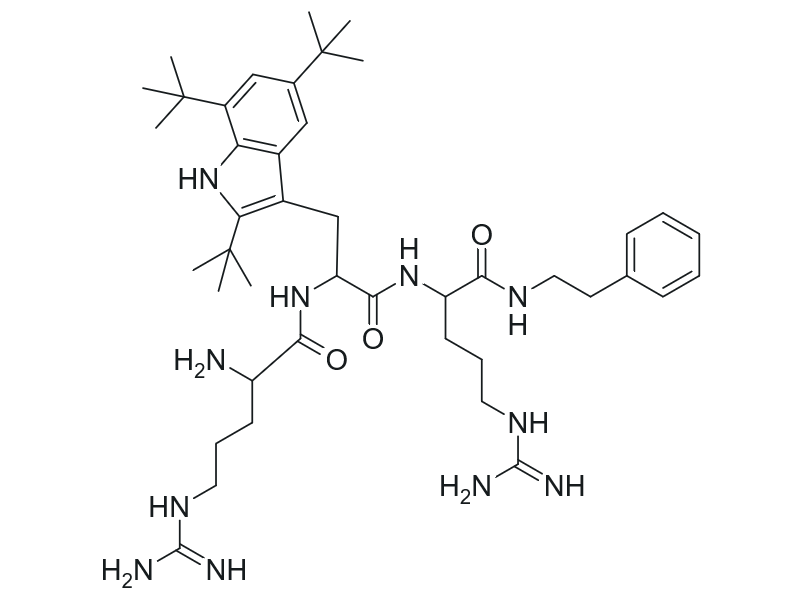
Voxvoganan – The optimal antimicrobial peptide
Voxvoganan is our patented antimicrobial peptide. It was designed based on extensive insight into AMPs as a small molecule that optimize efficacy, is stable, and that can be manufactured at scale.
The rapid action of voxvoganan kills bacteria, fungi, and viruses, while also being biocompatible and safe, proven by both non-clinical and clinical trials.

The mode of action targets cell membranes of bacteria, fungi and enveloped viruses and induces rapid lysis
Mode of action

Step 1
Voxvoganan forms aggregates of ~20 molecules to shield the hydrophobic ends from the aqueous environment, leaving the cationic ends on the outside.

Step 2
The positively charged molecule aggregate is attracted to the negatively charged surface of a microbe.

Step 3
As the aggregate approaches the cell surface, the positively charged ends of voxvoganan molecules are attracted to the negatively charged cell surface.

Step 4
The aggregate disintegrates, and the exposed hydrophobic ends of voxvoganan are attracted to the inside of the cell membrane.

Step 5
Voxvoganan enters the cell membrane, leading to ruptures and disintegration.

Step 6
As the cell membrane disintegrates, the microbe is killed.


Application technologies – for all medical devices
Amicoat has developed technologies to apply and integrate voxvoganan into all materials commonly used for medical devices.
Our scientists have extensive know-how on how to best utilize voxvoganan in a specific material to obtain the desired properties of an antimicrobial medical device.

Scientific publications – the basis of our innovations
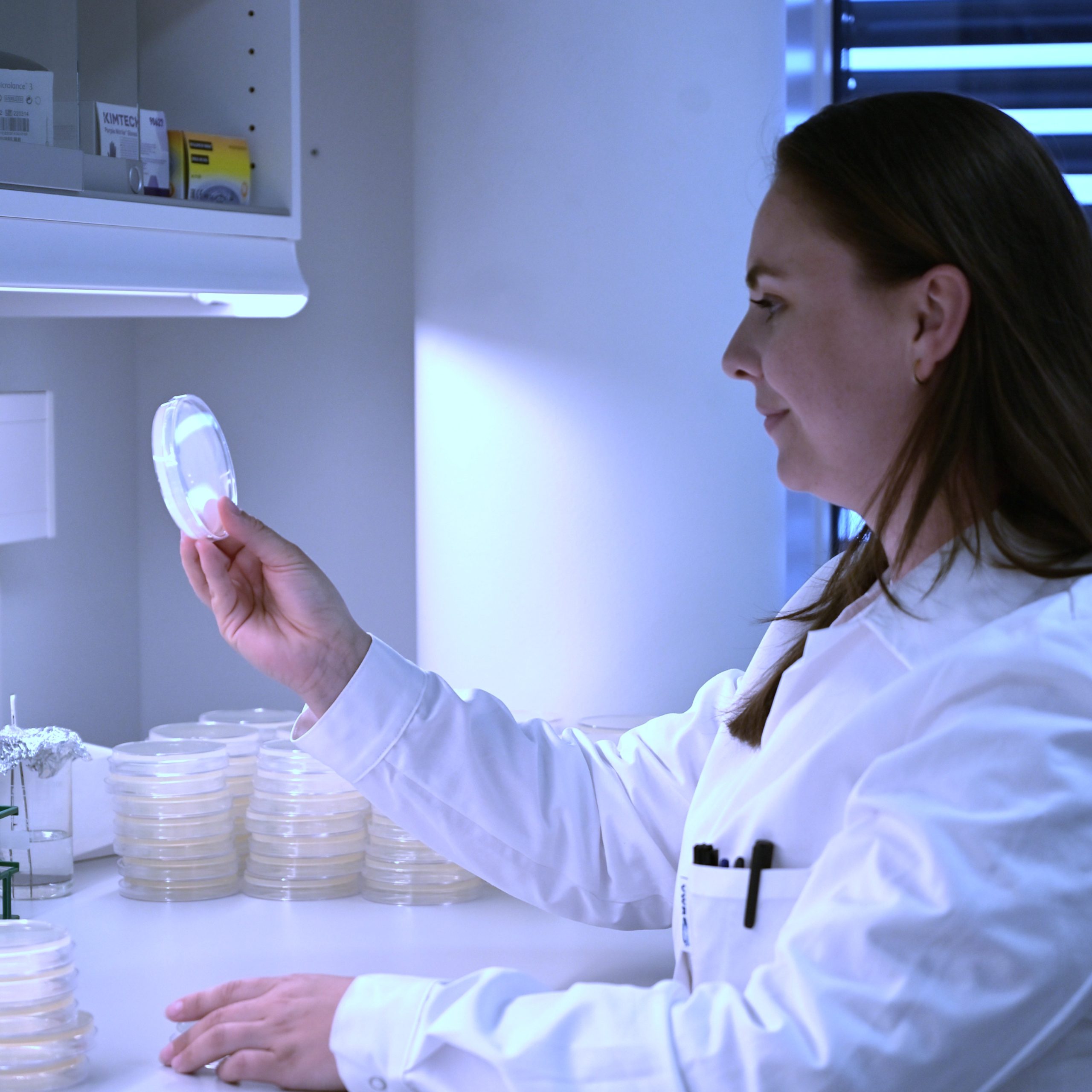
Voxvoganan is one of the most extensively researched antimicrobial peptides, and its properties and characteristics are well described in scientific publications.
Amicoat is collaborating with scientific institutions to further research voxvoganan and expand the possibilities for utilizing it as an antimicrobial technology across applications.
“Peptides are magic” – how we leverage scientific mentors
Amicoat’s technology has been built on the foundation of groundbreaking scientific achievements, and is continuously being researched by leading scientists across the world.
Among our scientific mentors are Barry Sharpless, a two-time Nobel laureate in Chemistry, renowned for his work on stereoselective reactions and click chemistry.
 Barry Sharpless is a two-time Nobel laureate in Chemistry, renowned for his groundbreaking work on stereoselective reactions and click chemistry. He introduced the concept of click chemistry, where molecular building blocks assemble quickly and efficiently. In 2002, Sharpless and Morten Meldal, working independently, developed a transformative and efficient chemical reaction: the copper-catalyzed azide-alkyne cycloaddition.
This reaction is now widely used in various fields, including the development of pharmaceuticals, DNA mapping, and the creation of innovative materials. Prof. Svendsen had the privilege of being supervised by Barry Sharpless during his postdoctoral research at Massachusetts Institute of Technology in 1988.
“Peptides are magic” – Two-time Nobel laureate Barry Sharpless
Want to learn more about the science of Amicoat’s unique and patented antimicrobial peptide technology?


Prof. John-Sigurd M. Svendsen
Founder & Chief Scientific Officer
Dr. Pontus Lundberg
Vice President Research & Development
